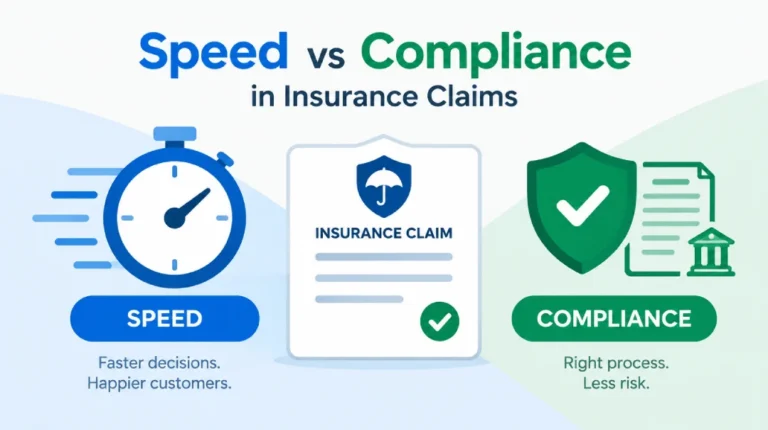
What is BFSI Compliance?
BFSI compliance refers to the legal, ethical, and professional standards set by regulatory bodies that institutions in the banking, financial services, and insurance sectors must follow. Because these industries handle public money and sensitive data, they are among the most heavily regulated in the world.
Failure to comply results in severe consequences, including multi-million dollar fines, legal action, and the loss of operating licenses.
Core Areas of Compliance
Compliance in this sector is generally categorized into three main pillars:
1. Financial Transparency and Anti-Crime
Institutions must prevent their platforms from being used for illegal activities.
- AML (Anti-Money Laundering): Protocols to detect and report suspicious transactions.
- KYC (Know Your Customer): The mandatory process of verifying the identity of clients to prevent fraud and terrorism financing.
- Capital Adequacy: Requirements (like the Basel Accords) ensuring banks hold enough liquidity to survive economic shocks.
2. Data Privacy and Security
As BFSI entities hold vast amounts of Personal Identifiable Information (PII), they must adhere to strict data protection laws.
- GDPR / CCPA: Frameworks governing how customer data is collected, stored, and shared.
- PCI DSS: Standards for organizations that handle branded credit cards to prevent data breaches.
- Cybersecurity Mandates: Requirements for encrypted communications and robust firewalls.
3. Consumer Protection and Fair Practice
Regulations designed to ensure customers are treated fairly and are not misled.
- Truth in Lending: Ensuring clear disclosure of interest rates and fees.
- Fair Claims Settlement: Rules in the insurance sector requiring companies to process claims honestly and promptly.
- Fiduciary Duty: The legal requirement for financial advisors to act in the best interest of their clients.
The Role of Communication in BFSI Compliance
- Enforcement of Transparency: Communication is the primary vehicle for Truth in Lending and disclosure laws. It ensures customers receive and understand all risks, interest rates, and terms before committing to a financial product.
- Creation of a Legal Record: Every sent document serves as point-in-time evidence. In the event of an audit, communication history proves that the institution met its legal obligation to inform the consumer.
- Framework for Version Control: Communication systems act as the central switchboard for regulatory updates. When a law changes, the communication layer ensures every new statement or policy immediately reflects the updated legal language.
- Guardian of Data Privacy: Communication protocols define how sensitive Personal Identifiable Information (PII) is handled. Secure, encrypted delivery channels ensure that the movement of data stays within the boundaries of acts like GDPR or CCPA.
- Risk Mitigation via Consistency: Synchronizing messaging across mobile, web, and print prevents contradictory information risk, where a customer might receive different terms on different platforms.
- Mechanism for Dispute Resolution: Clear, archived communication provides the definitive source of truth to resolve customer grievances or regulatory inquiries, protecting the institution from litigation.
People Also Ask
How does Customer Communication Management (CCM) help with regulatory updates?
CCM software centralizes legal templates. When a law changes, the institution updates a single content block, which then automatically propagates to all relevant documents, ensuring immediate and total compliance across all channels.
Why is an audit trail necessary for financial communications?
It provides a permanent, timestamped record of every interaction. If a regulator audits the firm or a customer disputes a transaction, the audit trail proves that the correct disclosures were delivered at the required time.
What is the difference between BFSI compliance and general data privacy?
BFSI compliance includes general privacy laws plus sector-specific mandates like Anti-Money Laundering (AML) and Know Your Customer (KYC). These require specialized identity verification and long-term document retention that go beyond standard data protection.
Can CCM software reduce the risk of human error in compliance?
Yes. By using pre-approved, legal fragments, CCM prevents staff from manually altering mandatory wording. This ensures that even high volumes of unique documents remain legally sound.
How do institutions manage compliance across different digital channels?
Organizations use integrated platforms to sync messaging. This ensures that the terms of service found on a mobile app are identical, eliminating the risk of providing contradictory information.