
Customer expectations have reached higher than ever before. One poor experience with sales or customer support teams can make your clients leave for a better experience. However, a good experience can make them stay for years.
This is when a consumer engagement platform comes in useful. It can help your company connect with clients in a seamless and successful manner, allowing for consistent and individualized interactions across all platforms.
Now the main question – What makes one platform better than another? The answer lies in the features and capabilities they offer. Understanding their features and aligning with your operations helps you choose the right platform. It also ensures that the money you invest leads to results you can measure.

1. Omnichannel Communication and Consistency
Customers do not think of phones, emails, or social media separately. They see each interaction as a component of a larger experience. A customer may start the interaction with a message on social media, then receive details of the conversation through email, and conclude with a live chat. They expect the flow to feel natural.
A good platform keeps these touchpoints connected. It allows teams to see a customer’s full interaction history in one place. This helps avoid confusion and repeated questions. It also reduces frustration on both sides.
When teams use several systems simultaneously, consumers need to communicate the same problem several times, which can be frustrating and time consuming for clients. Omnichannel communication can minimize this confusion.
If you are looking for the best customer engagement platforms, find one that connects directly with popular communication tools and enables seamless customer engagement.
2. Personalization and Tech-Driven Insights
People respond more positively when they feel understood. A good platform assists a business in identifying patterns in client behavior. It studies what people buy, what pages they visit, and how they interact over time.
This information helps teams send messages that actually matter to each person. It is more than just using a name in an email. It’s about knowing when and how to reach out. A shopper might get suggestions that match their past interests.
Modern technologies like behavioral analysis can make this process more accurate. The customer engagement platforms incorporate these technologies to make the insights easy to use. They generate insights and present them in clear dashboards and simple tools, turning data into ideas that can be used right away. Teams don’t need advanced technical skills to understand what the system is showing them.

Revamp Your Customer Communication Management with Advanced Document Generation Software – Discover the Benefits!
3. Automation and Workflow Efficiency
Manual work in customer engagement slows down teams. It also increases the chance of making errors and mistakes. Automation solves this problem by taking care of routine tasks.
A good customer engagement platform can automate various workflows like:
- sending replies to clients
- assigning tasks to sales reps and other team members
- organizing client data automatically
- sorting messages based on urgency or topics
A customer engagement platform should also reflect customer emotions accurately through their emails and messages. For example, if customer sounds upset in his or her email, the system can alert the sales rep right away.
On top of that, automation should also make space for human touch in the customer engagement process. This will ensure that technology can handle repetitive work, and people can handle parts that need personal assistance.
Choose a platform that lets you design automated steps easily using templates and workflows. All of these can help your team set up operations without outside help.
4. Analytics and Real-Time Feedback
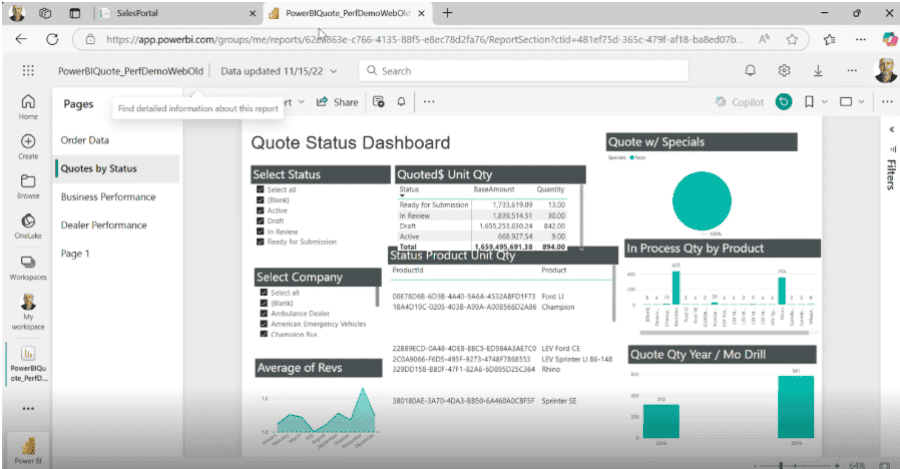
Data only helps when it tells a clear story. A good customer engagement platform gathers a variety of data and information and presents it with tables, charts, and graphs which makes it easy to understand.
With a platform in place, your organization can use real-time tracking and feedback to manage client engagement more effectively. Based on the findings, you can make changes right away. If clients respond positively, you may figure out what works and improve on it.
Each team in your company should be able to focus on data that matters to them. Marketing might watch engagement numbers. Service teams might focus on response times. Sales teams might track leads and conversions.
The best customer engagement platforms do more than just show what has happened. They also give data-based insights and suggestions to help you engage customers better. This kind of analysis helps organizations act early—before small issues grow into major problems.
5. Integration with CRM and Other Systems
A customer engagement platform should not just work in a silo. It needs to connect with your existing business tools, like CRM and ERP systems. A platform that connects easily with your CRM, ERP, help desk, or online store can give a complete view of every customer and how well you are engaging with them.
This connection helps teams make better decisions. Sales teams can see what kind of marketing a person responded to. Service teams can check purchase records before answering questions. Everyone sees the same information (with a single source of truth), which avoids confusion and rework.
Strong integration also reduces time spent switching between systems. Look for customer engagement platforms with built-in connections and clear setup options. If it offers an open API, it’s even better—it means you can connect to more tools later.
Choosing the Right Customer Engagement Tools
Before choosing a platform, here are a few points to keep in mind:
- Study how your business currently communicates with customers. Find the areas that cause delays or confusion.
- Next, think about your team’s comfort level with technology. A complex tool with too many options might slow people down. It is better to have a simple system that everyone understands and actually uses.
- Scalability also matters. The platform you choose should grow as your business grows. It should handle more users and data without major changes or costs.
- Always ask for a personalized demo. A demo personalized to your sales and customer teams shows how well the system fits your day-to-day operations. Avoid generic sales pitches that don’t reflect your real challenges.
Why Cincom Eloquence is the Right Choice
If you want to deliver clear, consistent, and tailored communication across channels, Cincom Eloquence is a reliable choice for your organization. It helps organizations create, manage, and deliver documents across channels.
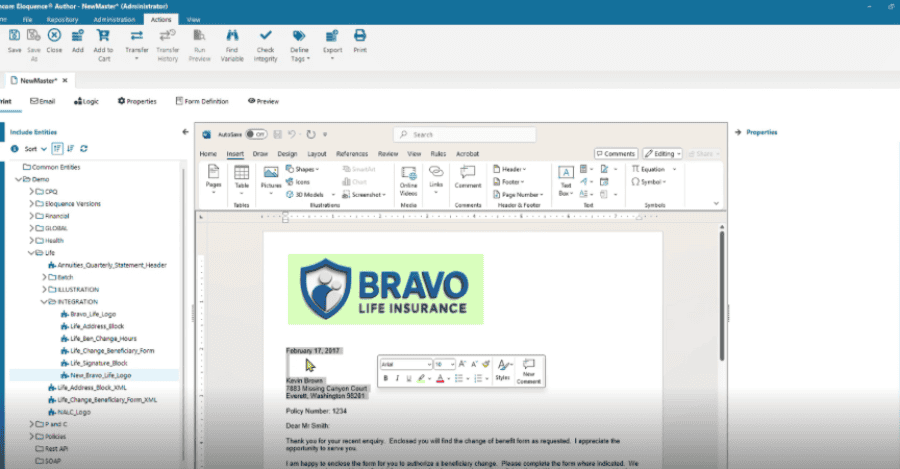
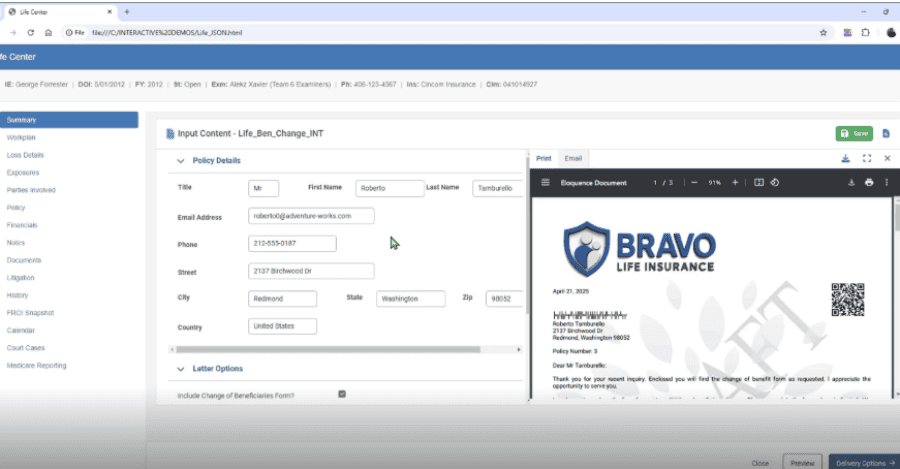
Eloquence helps you create consistent and compliant customer communications using pre-defined templates and guided workflows. HM Insurance Group (HM), one of our clients, streamlined their document generation process through Eloquence. They achieved 95% improvement in document generation times. They were able to produce 8,500 letters in real-time and 4700 documents in a batch each month.

Read more on how Cincom Eloquence helped HM Insurance reduce document generation time and drive workflow improvement and data security.
Building Long-Term Relationships with The Best Customer Engagement Platforms
A customer engagement platform is more than a management tool. It is part of how your business builds trust. The features above form the structure of that relationship.
Choosing the right digital engagement solution is only the first step. How you implement and use it determines if it is going to improve your customer engagement strategies and approach.
When a platform helps you do that, it becomes more than just a tool. It becomes part of your growth story.
FAQs
1. What is a customer engagement platform?
A customer engagement platform is a tool that manages and improves organizational communication with customers. It connects to different channels, like email, chat, and social media, so every interaction feels consistent, and customers feel engaged.
2. Why is omnichannel communication important?
Customers may use many ways to reach a business. With omnichannel communication, those conversations become connected. It ensures that no matter where the customer interacts, the experience feels seamless and complete.
3. What types of communication channels can be managed through a platform?
Most customer engagement tools handle channels such as email, social media, live chat, SMS, and phone interactions. Some also support in-app messaging or website chat widgets.
4. Why should customer engagement platforms integrate with CRM systems?
When a customer engagement platform connects with a CRM, every team sees the same information through a single source of truth. Sales, service, and marketing can view a customer’s history and other details in one place, which makes conversations more relevant and efficient.
5. What is the best platform for proactive customer engagement?
A platform that aligns with your customer communication strategies and business needs and fits your budget can be the best customer engagement platform for your business.