Every business wants to build long-term relationships with their customers. They want them to keep coming back and feel connected to the brand.
The key to building such relationships requires organizations to keep customers engaged throughout the buying journey – from hearing about the organization and its product to becoming a customer.
That said, customer engagement has become a crucial part of modern business strategy. However, keeping customers engaged during the buying process and after they have made the purchase, so they keep coming back, is not as easy as it sounds.
A lot of effort and time is involved in keeping customers engaged. That is why organizations are turning to customer engagement software that helps them serve customers better and keep them engaged before and after the purchase.
Let us dive deeper into the benefits of customer engagement and how a customer engagement platform can help your organization realize those benefits. We will also talk about what features of engagement tools you should look for to choose the best customer engagement software for your business.
Why Customer Engagement Software Matters
Customer engagement is an important interaction between the business and the customer that goes beyond the transactions. It encompasses all touchpoints, such as marketing communications, customer service, social media engagement, and post-purchase follow-ups. This interaction creates a lasting bond that drives success and growth for the organization. For customers, the interaction creates meaningful experiences that foster trust and loyalty.
Customer engagement software helps organizations interact with customers in meaningful ways. It supports actions and strategies that organizations apply to build and maintain a long-lasting bond with their customers. It influences how effectively teams can communicate, personalize, and support interactions. The wrong platform can slow you down. The right one can boost conversions and satisfaction.
Unifying customer interactions
Modern customers use multiple channels to engage with brands. One day it’s email, the next day it’s a social media DM or a chat on the brand’s website. Customer engagement software brings all these interactions together. With a unified view, the team can deliver consistent messaging and respond more quickly. This builds trust and strengthens relationships.
Driving retention and loyalty
Keeping a customer is more cost-effective than finding a new one. Customer engagement platforms help organizations nurture existing relationships and deepen customer relationships. These platforms enable timely follow-ups and personalized content. These small touches build loyalty. Over time, they increase the chances of repeat business.

Deliver Compliant Communications with Cincom
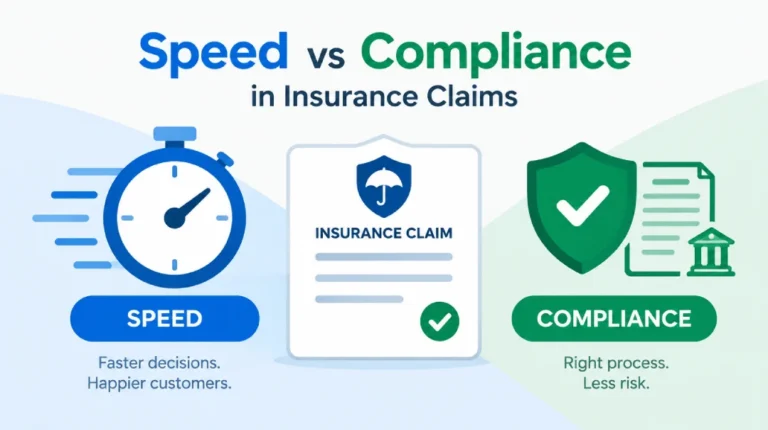
A key resource for insurers to improve regulatory compliance and build customer trust through clear, consistent communication.
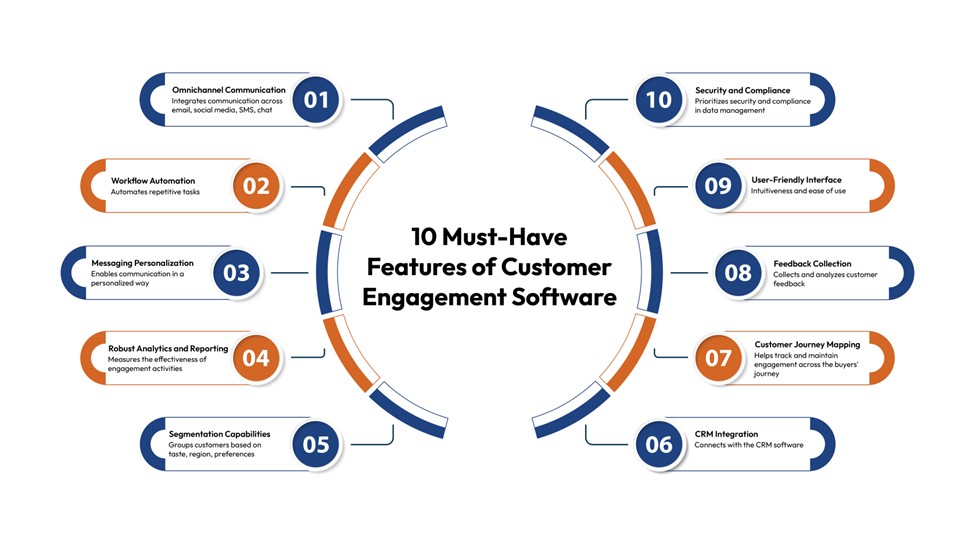
10 Must-Have Features of Customer Engagement Software
Effective customer engagement platforms blend strategy and technology to streamline customer interactions and bring the speed and accuracy that businesses require. Below are the essential or must-have features in customer engagement software that you must look for while selecting one for your organization.
1. Omnichannel Communication
Today’s customers expect flexibility when it comes to communication. They may start a conversation by email, continue chatting, and end it on the phone. Platforms must offer omnichannel customer engagement to handle communications seamlessly. The customer service executive can message across email, social media, SMS, live chat, and more—all from the customer engagement software. There is no need to jump between tools. This saves time and creates a smoother customer experience.
2. Workflow Automation
Repetitive tasks can slow down your operations and restrict your team. Thus, automation becomes an important aspect of customer engagement. The customer engagement software you choose should automate engagement processes like follow-up emails, appointment reminders, and surveys. This not only boosts efficiency but also ensures that no customers are left unengaged.
3. Messaging Personalization
Businesses relying on generic messages risk losing customer attention. It is important for them to communicate with customers in a personalized way, so they feel valued and engaged. Customer engagement software should use data like name, behavior, preferences, and other information to help teams send personalized messaging. You can send content that is tailored to customers’ needs and preferences. This makes customers more likely to engage and build trust over time.
4. Robust Analytics & Reporting
Customer engagement software should offer analytics and reporting capabilities to help organizations measure the effectiveness of engagement activities. Businesses can track data, like open rates, click rates, campaign results, and behavior trends. Teams will get real-time insights and reports into what works and what doesn’t work. This allows for quick adjustments and smarter decisions in order to improve customer engagement.
5. Segmentation Capabilities
Not all customers are the same. They may have different personalities, regions, tastes, and preferences. Customer engagement software that your business uses should let you group or segment them based on several factors. This helps your teams to target customers with relevant content and offers. This leads to better customer engagement and less time wasted.
6. CRM Integration
A good customer engagement software tool doesn’t stand alone. It connects with your CRM software to offer an integrated and streamlined experience. With this integration, the engagement tool can pull in important data like purchase history, contact info, and past interactions. It also helps teams store and manage new engagement data back to the CRM software. This integration enables a full view of each customer, allowing you to engage them better with relevant communication and make smarter decisions at every stage.
7. Customer Journey Mapping
The customer journey expands across various stages, and customer engagement software helps to track and maintain engagement levels throughout the journey. Using the tool, your teams can set triggers for onboarding emails, follow-ups, re-engagement messages, and more. This keeps customers engaged and successfully moving forward. It also ensures that no moment goes unnoticed.
8. Feedback Collection
An important part of customer engagement is collecting and analyzing their feedback, so you know how they feel and how you can engage them. To collect customer feedback using customer engagement software, organizations can use built-in features like surveys and Net Promoter Score (NPS). Surveys can be sent to customers directly using the tool, making it easy and convenient. Organizations can receive instant feedback which can be stored directly into the system.
9. User-Friendly Interface
Being user-friendly may not be a feature, but surely a necessity for any customer engagement software you choose. The engagement tool you choose should be intuitive and easy to use. This will help your teams manage communications and engagement activities with customers easily and effectively. You can look for drag-and-drop builders, simple navigation, and clear workflows to ensure that the customer engagement software has a user-friendly interface. If your team can use it without heavy training, they’ll get more done.
10. Security and Compliance
Customer data is sensitive. Any customer engagement platform you choose should prioritize security and compliance when it comes to data management. You should look for features like GDPR and HIPAA compliance, role-based access, and data encryption. All these functionalities will help your organization protect sensitive data of your customers.
All these features of engagement tools will help you choose the best customer engagement software for your business. Apart from these must-have features, consider a solution that offers comprehensive customer support. This will help your business use the tool without any hindrances. Ultimately, your team will be able to engage customers effectively.
Choosing the Best Customer Engagement Platform
The quality of interactions your organization offers defines the level of customer engagement you receive. Choosing the right customer engagement software allows your organization to respond faster, personalize messaging, and build relationships that last beyond the purchase.
Cincom Eloquence, a leading customer communication management tool, helps businesses enhance customer engagement, streamline workflows, and personalize communications. With Cincom, organizations can deliver impactful experiences and streamline engagement with customers. Read more about Cincom Eloquence.
When evaluating the tools available in the market, consider all the features mentioned above and finalize the tool that effectively meets your needs and business objectives.
Customer engagement is no longer optional. It’s the foundation of sustainable growth. If your organization aims to stand out in elevating customer engagement, customer engagement platforms can help you deliver real results.
FAQs
1- What is customer engagement software?
Customer engagement software is a tool that helps businesses interact with customers across different channels. It supports marketing, sales, and service teams by managing communications, automating workflows, and tracking engagement.
2- What are the benefits of using customer engagement platforms?
Customer engagement platforms help organizations increase customer satisfaction, boost loyalty, and drive repeat business.
3- What are the must-have features of customer engagement software?
Must-have features of customer engagement software include omnichannel communication, customer segmentation & personalization, and workflow automation.
4- What is omnichannel customer engagement?
Omnichannel customer engagement is an approach that integrates customer interactions across different channels to provide a seamless engagement experience for customers.
5- How does customer engagement software help with customer interaction?
Customers use multiple channels to engage with brands, such as email, social media, and website chat. Customer engagement software brings all these interactions together to offer a unified view for consistent messaging.
6- How does customer engagement software help with feedback collection?
Customer engagement software allows organizations to send surveys and manage responses. These responses can be stored in the system for analysis and further interaction.