New sales reps in manufacturing have more to learn than a typical sales team. They need to understand products, configurations, pricing, customer requirements, sales processes, and the systems connecting sales with engineering and operations.
This makes effective manufacturing sales onboarding critical. A structured program can help new reps build product knowledge, develop selling skills, and become productive without relying on engineering for every routine configuration or quote.
This guide covers the key steps for building an onboarding program for complex manufacturing sales teams and how CPQ can support the process.
Why Traditional Sales Onboarding Fails in Industrial Manufacturing
Traditional onboarding often relies on product presentations, manuals, classroom training, and shadowing. These methods are useful, but they can fall short when reps sell highly configurable products.
New reps may need to learn:
- Product options and configurations
- Technical specifications and dependencies
- Pricing and discount rules
- Customer requirements and use cases
- CRM and quoting workflows
- When to involve engineering
Too much information at once can create information overload. Reps may understand individual product features but struggle to apply that knowledge during customer conversations or quote creation.
A modern industrial sales enablement onboarding approach combines training with practical tools and guided workflows.
CPQ can help by embedding approved configuration and pricing rules into the sales process. Instead of expecting reps to memorize every rule, guided selling helps them navigate available options and follow established processes.
Overcoming Key Sales Onboarding Challenges in Technical Sales
Information Overload
Break training into progressive stages rather than delivering everything during the first few weeks. Use short videos, product guides, simulations, quizzes, and just-in-time resources.
Lack of Process Consistency
Standardize the onboarding process with common 30-60-90 day milestones, training modules, assessments, and coaching sessions.
For complex products, standardize the configuration and quoting process as well. CPQ can provide guided workflows that help reps follow approved product and pricing rules.
Limited Product and Customer Understanding
Product knowledge alone is not enough. Reps need to understand customer pain points, buying triggers, use cases, and how different product configurations address customer requirements.
Use real customer scenarios, recorded calls, product demonstrations, and mock pitches to connect product knowledge with selling situations.
Engineering Dependency
New reps may frequently turn to engineering for configuration questions. This can slow the sales process and make ramp-up harder.
A CPQ platform can embed approved product rules into the sales workflow, allowing reps to handle routine configurations while escalating genuinely complex requirements to engineering.

Do you want to close deals faster and improve accuracy?
This eBook illustrates how CPQ can entirely transform your sales process.
Step-by-Step Guide to Building a CPQ-Driven Sales Onboarding Program

1. Define 30-60-90 Day Goals
Start with clear milestones.
By Day 30:
- Complete product and company training
- Understand sales processes and buyer personas
- Learn CRM and CPQ workflows
- Complete basic configuration exercises
By Day 60:
- Shadow experienced reps
- Manage selected opportunities
- Conduct discovery calls
- Build supervised configurations and quotes
By Day 90:
- Manage opportunities more independently
- Configure standard products
- Generate quotes within established processes
- Contribute to pipeline and closed business
Track KPIs such as time to first quote, time to first sale, ramp time, quote accuracy, configuration accuracy, and quota achievement.
2. Create a Structured Curriculum
Avoid trying to teach everything at once.
Week 1: Company, sales process, tools, compliance, and high-level product knowledge.
Month 1: Product specifications, customer use cases, CRM and CPQ workflows, shadowing, and role-play.
Months 2–3: Live opportunities, quote creation, configuration exercises, call reviews, and coaching.
Combine self-paced learning with hands-on practice. For complex manufacturing, reps should practice configuring products and creating quotes rather than only reading product documentation.
3. Provide the Right Tools and Resources
New reps need access to the systems they will use every day, including:
- CRM
- Sales enablement tools
- Product documentation
- Knowledge bases
- CPQ
- Proposal and quoting tools
Make resources available when reps need them. A short configuration guide or guided CPQ workflow can be more useful during a live opportunity than a lengthy product manual completed weeks earlier.
How CPQ Supports Onboarding
CPQ can turn product and configuration knowledge into an active part of the sales workflow.
Guided selling can help reps:
- Navigate product options
- Apply configuration rules
- Follow pricing guidelines
- Create quotes
- Identify when engineering input is required
This allows new reps to apply product knowledge while selling rather than relying entirely on memorization.
1. Emphasize Product and Customer Knowledge
Train reps to understand both what the product does and why the customer needs it.
Cover:
- Product features and configurations
- Pricing and differentiators
- Customer pain points
- Buyer personas
- Industry use cases
- Common objections
- Customer success stories
Use recorded calls, mock discovery sessions, and real-world scenarios to help reps connect customer requirements to the right product configuration.
2. Use Role-Play and Real-Life Practice
Practice discovery calls, product presentations, configuration discussions, objections, and pricing conversations.
For technical sales, include realistic scenarios where a customer has specific requirements and the rep must determine the appropriate configuration.
Managers and mentors can score these exercises using standardized criteria.
3. Provide Mentorship and Continuous Coaching
Assign new reps a mentor or buddy who can answer questions, explain internal processes, review opportunities, and provide feedback.
Coaching should continue after the initial onboarding period through regular 1:1s, call reviews, product updates, and opportunity reviews.
4. Gather Feedback and Improve
Use feedback at key milestones such as Day 30, Day 60, and Day 90.
Ask reps where they still struggle with:
- Product knowledge
- Configuration
- Pricing
- CRM
- CPQ
- Customer conversations
Use these insights to update training and identify where additional enablement is needed.
4 Essential Technologies to Streamline Manufacturing Sales Onboarding
1. Learning Management Systems
LMS platforms organize training content, product education, quizzes, and learning paths.
2. Sales Enablement Platforms
These provide quick access to playbooks, product information, competitive content, and objection-handling resources.
3. Onboarding Automation Tools
Microlearning and in-app guidance can provide information while reps work, reducing the need for lengthy training sessions.
4. CPQ and Guided Selling
CPQ brings product configuration, pricing, business rules, and quoting into the sales workflow.
For complex manufacturing, this can help new reps apply product rules consistently while reducing unnecessary dependency on engineering.
Integration with CRM, ERP, and PLM can further connect customer, product, configuration, and quote information across the sales process.
How to Measure the Success of Your Industrial Sales Onboarding Program
Track metrics that connect onboarding to sales productivity:
- Ramp time
- Time to first quote
- Time to first sale
- Quote accuracy
- Configuration accuracy
- Engineering dependency
- Quota achievement
- Rep retention
Compare new cohorts with previous onboarding groups to identify improvements and gaps.
CRM, CPQ, LMS, and HR data can provide a broader view of onboarding performance.
5 Best Practices for Modern Manufacturing Sales Onboarding
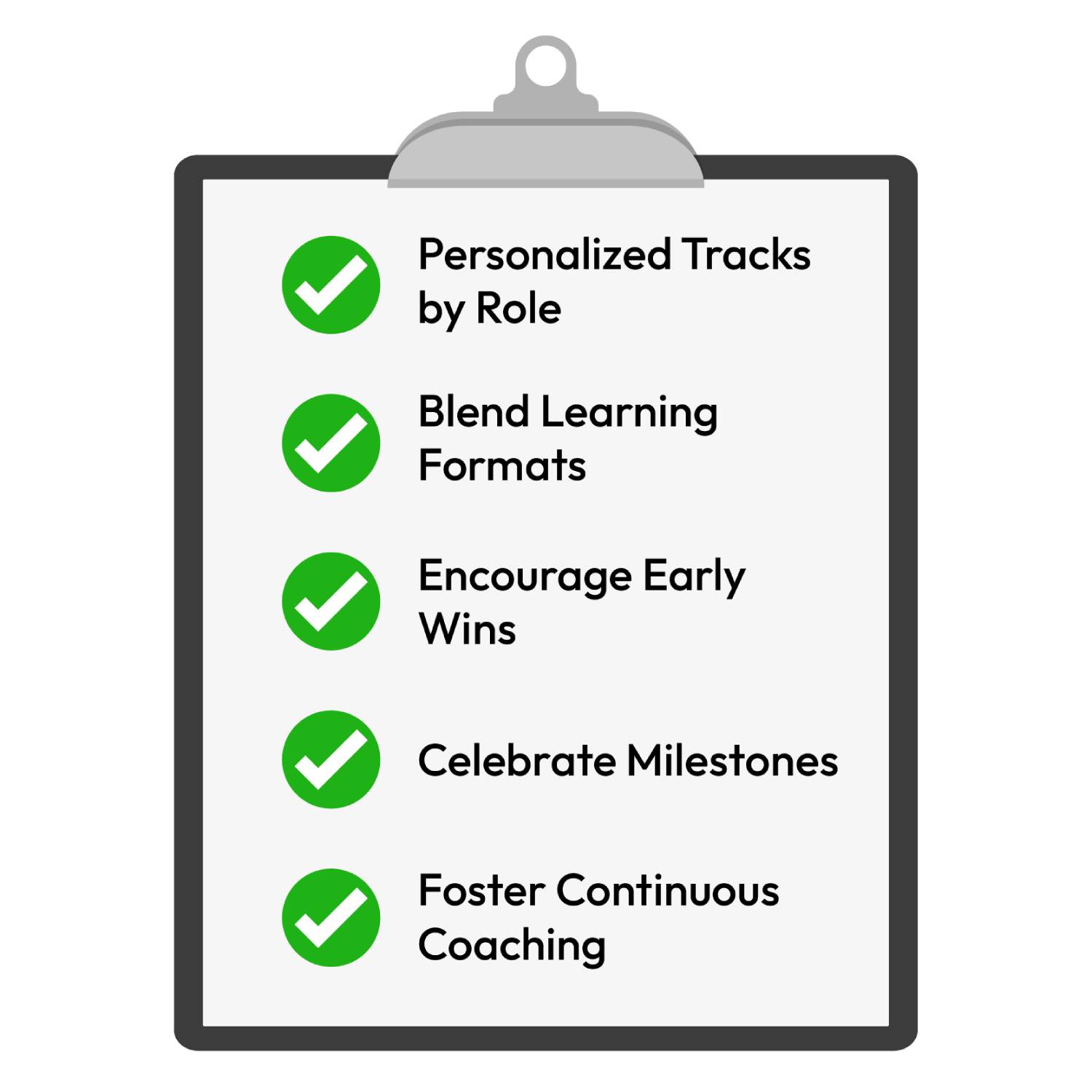
1. Personalize by Role
SDRs, AEs, sales engineers, and other roles need different levels of product, technical, and selling knowledge.
2. Blend Learning Formats
Combine videos, live training, self-paced modules, role-play, shadowing, and hands-on CPQ exercises.
3. Create Early Wins
Start with achievable goals such as completing a mock call, configuring a standard product, or creating a supervised quote.
4. Standardize What Can Be Standardized
Give every rep the same core product information, sales process, configuration rules, and performance expectations.
5. Continue Coaching
Onboarding should not end after 90 days. Continue coaching as reps take on more complex products, customers, and opportunities.
Conclusion
Effective manufacturing sales onboarding goes beyond teaching new reps how to sell. It gives them the product knowledge, customer understanding, processes, and tools they need to sell complex products confidently.
A structured 30-60-90 day program, combined with practical training, mentoring, and continuous coaching, creates a stronger foundation for new reps.
CPQ adds another layer by bringing guided selling, configuration rules, pricing, and quoting into the sales workflow. Instead of expecting reps to memorize every product rule, manufacturers can give them systems that help them apply those rules while they sell.
For complex manufacturing sales teams, the result is a more consistent onboarding experience and a clearer path from training to productive selling.
Want to see how CPQ can support sales onboarding and quoting for complex manufacturing?
FAQs
1. How does CPQ accelerate sales onboarding in manufacturing?
CPQ embeds product configuration, pricing, and business rules into the sales workflow. Guided selling helps new reps navigate complex products without relying entirely on memorized rules or engineering support.
2. What is the difference between sales training and sales onboarding?
Sales training develops specific skills or product knowledge. Sales onboarding is a broader process that combines training with tools, processes, mentoring, practical experience, and performance milestones.
3. How can manufacturers reduce sales rep ramp time without relying on engineering?
Manufacturers can combine structured onboarding with guided selling, centralized product knowledge, CPQ, and clear escalation processes. CPQ can help reps handle routine configurations while routing genuinely complex requirements for engineering.
4. What KPIs should manufacturers track during sales onboarding?
Key metrics include ramp time, time to first quote, time to first sale, quote accuracy, configuration accuracy, engineering dependency, quota achievement, and retention.
5. How does the Cincom GURU Inference Engine assist with new sales reps?
The GURU Inference Engine applies configuration logic and product rules during the selling process, helping reps navigate complex product choices and follow established configuration logic.
6. How can sales enablement leaders prevent information overload?
Break onboarding into progressive 30-60-90 day stages. Combine short learning modules with hands-on practice, role-play, guided configuration, and just-in-time resources.
7. Why are PLM and CRM integration important for technical sales onboarding?
CRM provides customer and opportunity context, while PLM provides product and engineering information. Connecting these systems through CPQ helps reps work with relevant customer and product information throughout the sales and quoting process.